
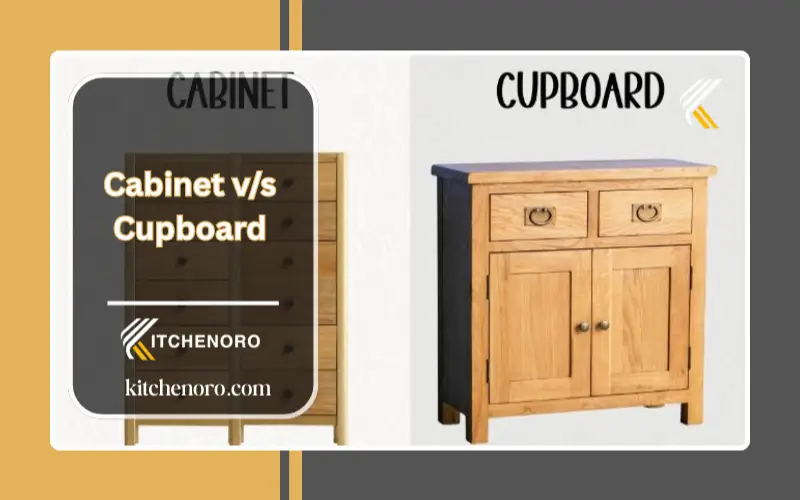
When I was designing my home, I noticed how often the terms cabinet and cupboard were used interchangeably. While they may look similar at first glance, they serve different purposes in design, storage, and everyday use. Understanding this difference helps homeowners make smarter decisions—especially when planning kitchens, bedrooms, or renovations.
A cabinet is usually refined and design-focused, while a cupboard is often larger and more utilitarian. The distinction may seem subtle, but it plays a major role in functionality, aesthetics, cost, and long-term usability.
Cabinet vs Cupboard: The Key Differences- Quick Answer:
A cabinet is typically a built-in or wall-mounted storage unit designed for both storage and visual appeal, often featuring refined finishes and craftsmanship. A cupboard is usually a standalone or larger storage unit intended for everyday storage such as food, clothes, or household items, with a simpler, more functional design.
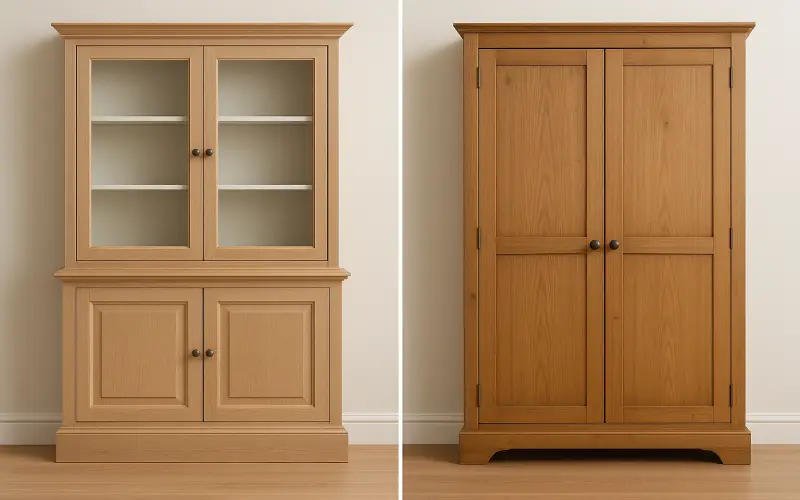
Cabinet vs Cupboard: The Key Differences (Short Answer)
A cabinet focuses on design, display, and integration within a room, while a cupboard focuses on capacity and practicality. Cabinets are common in modern kitchens and bathrooms, whereas cupboards are more often used in pantries, bedrooms, and utility areas.
At a Glance: Cabinet vs Cupboard
- Choose a cabinet if you want built-in storage with visual appeal
- Choose a cupboard if you need larger, everyday storage
- Cabinets suit modern kitchens and bathrooms
- Cupboards work well in pantries, bedrooms, and utility spaces
Quick Selection Checklist
- Need built-in storage with a polished look → Choose cabinets
- Need bulk storage for daily essentials → Choose cupboards
- Designing a modern kitchen or bathroom → Cabinets work best
- Storing clothes, food, or utilities → Cupboards are ideal
- Working with a limited budget → Cupboards are more economical
This checklist helps homeowners decide in under 30 seconds.
What Is a Cupboard?
A cupboard is a storage unit commonly used in kitchens, bedrooms, pantries, or utility areas. It may be freestanding or built-in and is designed primarily for functional storage rather than display.
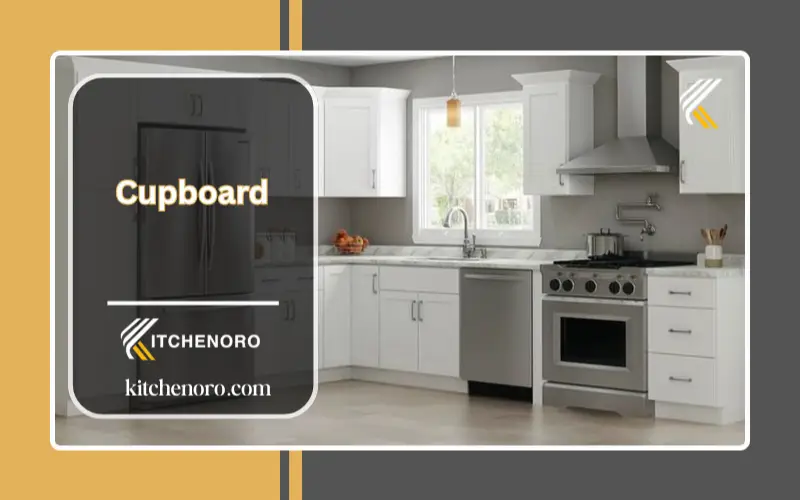
Cupboards are typically made from solid wood, MDF, or engineered boards and may be finished with laminate, veneer, paint, or stain. They usually include shelves or drawers and are ideal for storing food supplies, clothes, linens, or household goods.
Traditionally, cupboards were simple and practical, built to protect goods from dust, humidity, and damage. While modern cupboards may look more refined, their core purpose remains storage capacity.
Types of Cupboards
-
Wardrobe-style cupboards – Tall units for clothes, bags, or mixed storage
-
Airing cupboards – Located near heating systems, used for linens and fabrics
-
Kitchen or dining cupboards – Used for plates, utensils, dry food, or appliances
Features of Cupboards
-
Construction and finish: Solid or engineered wood, usually painted or laminated
-
Practical use: Designed to protect items from dust and moisture
-
Design flexibility: Easy to adapt during renovations
-
Durability: Built for everyday use with minimal ornamentation
What Is a Cabinet?
A cabinet is a refined storage unit designed for both storage and visual appeal. Cabinets are often built into walls or mounted above counters and sinks, especially in kitchens and bathrooms.
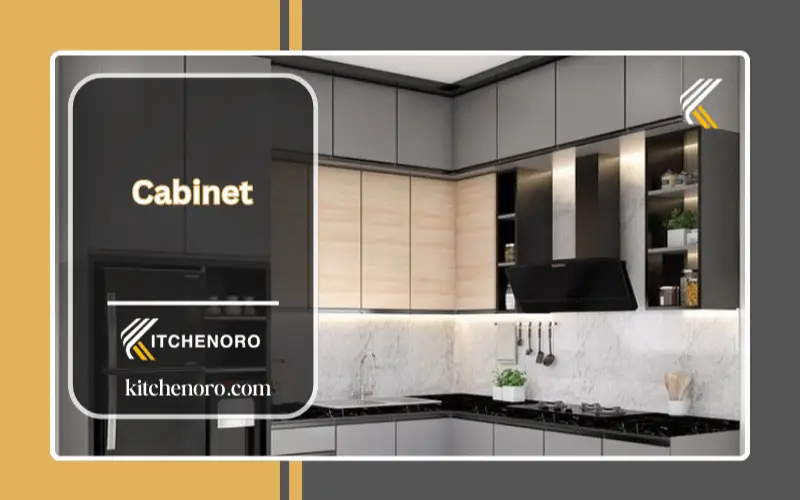
They are commonly made from higher-quality materials such as hardwood, plywood, or metal and showcase fine craftsmanship, detailed joinery, and premium finishes. Many cabinets include glass doors, decorative moldings, soft-close hardware, and customized interiors.
Cabinets balance functionality and aesthetics, often becoming a focal point in modern interior design.
Types of Cabinets
-
Stock, semi-custom, and custom cabinets – Based on budget and flexibility
-
Base cabinets – Support countertops and heavy loads
-
Wall-mounted cabinets – Save floor space and improve accessibility
-
Tall pantry or utility cabinets – Provide vertical storage
Features of Cabinets
-
Design variety: Wide range of finishes, materials, and styles
-
Efficient storage: Ideal for cookware, dishes, toiletries, or office supplies
-
Remodel-friendly: Easily integrated into modern renovation projects
-
Versatility: Includes filing cabinets, display cabinets, and specialty units
Key Differences between Cupboards and Cabinets
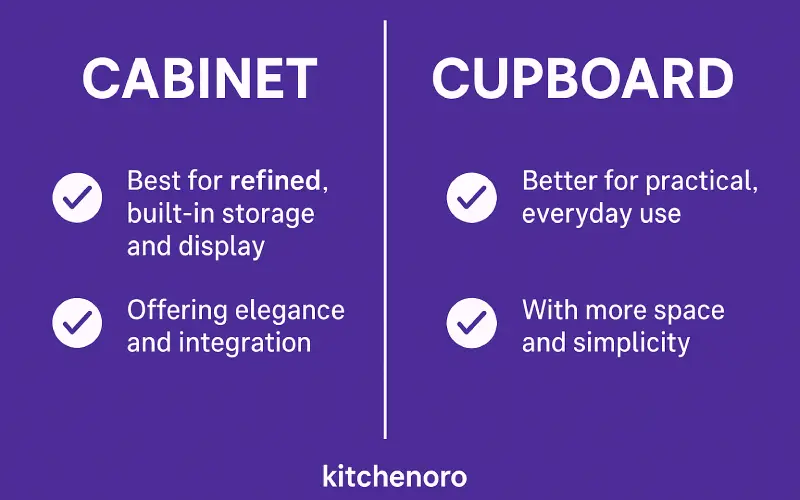
From my own design projects, I’ve noticed that cupboards excel at storing everyday essentials, while cabinets often elevate the visual appeal of a space.
-
Placement: Cupboards are common in kitchens, bedrooms, and pantries; cabinets appear throughout the home
-
Size: Cupboards are generally larger with deeper shelves
-
Design: Cabinets feature polished finishes and decorative details
-
Materials: Cabinets often use higher-grade or decorative materials
-
Cultural usage: In the U.S., “cabinet” is frequently used as a general term, though distinctions still exist
Common Mistakes People Make
Many homeowners assume cabinets and cupboards are identical. Common mistakes include:
-
Calling all kitchen storage “cupboards,” even when they are custom cabinets
-
Expecting cupboards to deliver the same finish quality as cabinets
-
Choosing cupboards for design-focused kitchens
-
Overlooking wall-mounted cabinets when floor space is limited
Understanding these differences early helps prevent layout, budget, and design issues during renovations.
Cupboard vs Cabinet Comparison Table
| Feature | Cupboards | Cabinets |
|---|---|---|
| Primary Use | Everyday storage | Storage + display |
| Placement | Kitchens, bedrooms, pantries | Kitchens, bathrooms, living areas |
| Size | Larger, deeper | Customizable, often compact |
| Appearance | Simple, functional | Refined, decorative |
| Materials | Basic or engineered | Premium woods, finishes |
| Design Focus | Utility | Aesthetics + function |
How to Choose the Right One
-
Purpose: Choose cupboards for bulk storage, cabinets for visual appeal
-
Customization: Cabinets offer more design flexibility
-
Cost: Cupboards are generally more budget-friendly
-
Style: Cabinets suit modern or traditional interiors; cupboards suit utility spaces
Expert Tip for Renovations
If you’re remodeling a kitchen or bathroom, prioritize cabinet layout and hardware quality before finalizing finishes. Well-installed cabinets improve daily usability, resale value, and long-term durability—especially in high-moisture areas.
Who Should Choose Cabinets vs Cupboards?
Choose cabinets if you are:
-
Designing a modern or premium kitchen
-
Focused on aesthetics and resale value
-
Working with custom layouts or built-in storage
Choose cupboards if you are:
-
Prioritizing storage capacity
-
Organizing bedrooms, pantries, or utility areas
-
Looking for a cost-effective storage solution
Cabinet vs Closet: Are They the Same?
While both store belongings, they serve different purposes:
-
Cabinets are furniture units integrated into rooms
-
Closets are small rooms designed for clothing and large items
-
Closets offer hanging space, while cabinets focus on shelves and compartments
FAQs
1) Are Cabinet and Cupboard the Same?
No. Cabinets focus on design and display, while cupboards emphasize everyday storage and organization.
2) How does size differentiate a cupboard from a cabinet?
Cupboards are usually larger and deeper; cabinets are often customized and compact.
3) Why are cabinets called cupboards?
Historically, cupboards were open shelves for displaying cups and plates—the term evolved.
4) What’s the difference between kitchen cupboards and kitchen cabinets?
Cabinets are versatile, design-focused units, while cupboards traditionally hide everyday kitchen items.
Conclusion
Understanding the difference between cupboards and cabinets allows you to align storage choices with both function and style. Cupboards offer practical, everyday storage, while cabinets elevate a space through refined design and visual appeal. By considering purpose, placement, and budget, you can confidently choose the option that best enhances your home.
About Kitchenoro
Kitchenoro is your trusted partner for complete kitchen remodeling, renovation, and elegant design. We specialize in premium cabinet installation, countertops, and transforming kitchens into luxurious, functional spaces. With expert craftsmanship and tailored solutions, Kitchenoro turns your vision into reality. Contact us to elevate your kitchen’s style and functionality!